
by Kemi Cole

When millions watched the serene lake scenes in Black Panther, they were seeing Lake Bunyonyi in southwestern Uganda, the aerial backdrop for Marvel’s utopian African nation. What they didn’t know was that this same lake conceals one of East Africa’s darkest histories: Punishment Island (Akampene), where the Bakiga people abandoned pregnant, unmarried girls to die of hunger or drowning well into the 20th century.
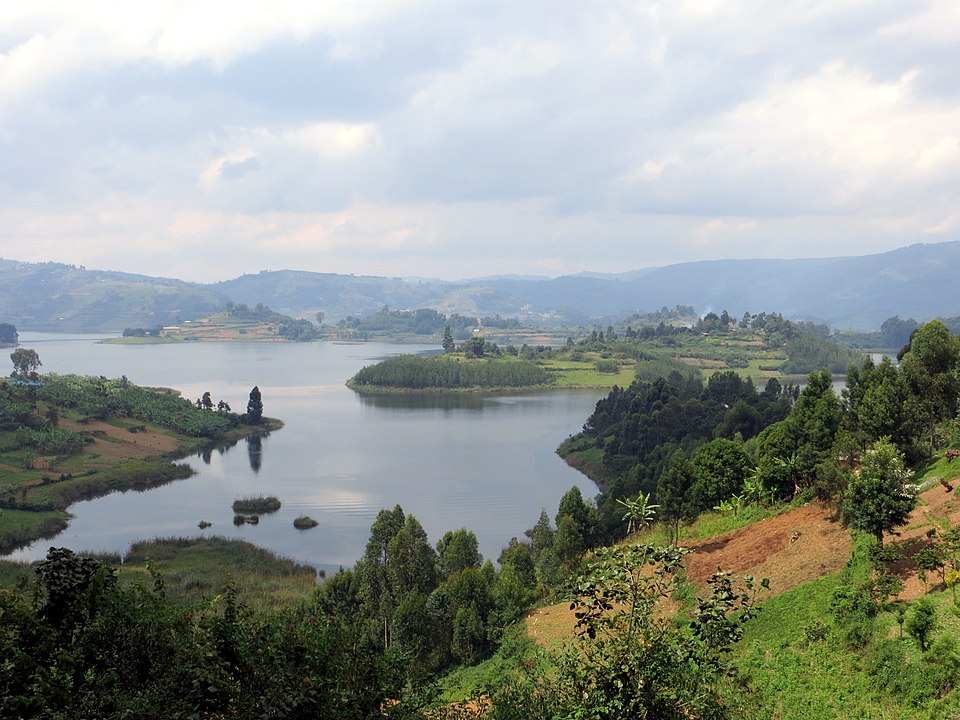
This disconnect between Wakanda’s technological paradise and Lake Bunyonyi’s suppressed history of femicide reveals a critical problem in how speculative fiction approaches cultural borrowing. As SFF writers increasingly draw from real-world cultures and geographies to build compelling fictional worlds, the question becomes: How do we research responsibly without perpetuating erasure or exploitation?
Having witnessed how global productions borrow our landscapes for aspirational fiction while remaining oblivious to embedded historical pain, I’ve developed research methodologies that SFF writers can immediately apply to create richer, more authentic stories that honor rather than appropriate their source cultures.
Access Oral Histories Beyond Standard Searches
Your first internet search will give you tourism websites and Wikipedia entries. Stop there, and you’ll miss the stories that matter most.
Real cultural research starts with identifying cultural centers, local museums, and community organizations in your research region. Then contact them directly and explain your project. Many have staff who can connect you with community historians or oral tradition keepers. University anthropology departments often maintain relationships with community scholars who rarely appear in mainstream sources.
When approaching these conversations, lead with transparency. Explain that you’re creating fiction inspired by the region and want to ensure accuracy and cultural sensitivity. Ask questions like “What stories about this place do you think are important for outsiders to understand?” or “How do local people talk about this history differently from what’s written online?”
Listen for emotional and spiritual significance, not just plot points. The goal is understanding, not extraction. Rather than mining for dramatic elements, pay attention to what communities value about their landscapes and histories.
Identify Community Historians
Every culture has knowledge keepers, though they may not hold formal academic titles. In many communities, these are elders, traditional healers, or religious leaders who maintain oral traditions. In other contexts, they might be local librarians, genealogists, or families who’ve lived in an area for generations.
Look for individuals who are frequently referenced when discussing local history. Pay attention to who community members recommend when you express interest in learning about their culture. These individuals often possess deep knowledge that has never been written down but is essential for understanding a place’s true character.
Building these relationships requires patience and genuine interest in their perspectives, not just the information they can provide. Consider offering compensation for their time and expertise. Always ask how they’d like to be credited if you incorporate their insights into your work.
Recognize Red Flags of Suppressed Histories
Some stories carry trauma that communities may not readily share with outsiders, and for good reason. Learning to recognize these sensitive areas is crucial for ethical research.
Watch for gaps in readily available information, especially around specific locations, time periods, or cultural practices. If tourist materials mention “ancient traditions” without details, or if local people seem reluctant to discuss specific topics, these may indicate histories involving violence, oppression, or sacred practices not meant for public consumption.
Pay attention to language that sanitizes or romanticizes the past. Phrases like “local legends” or “mysterious rituals” often mask complex historical realities. When you encounter resistance to certain topics, respect those boundaries rather than pushing for access.
If you do uncover traumatic histories, consider carefully whether your fictional project is the appropriate vehicle for engaging with them. Some stories belong to the communities that lived them, not to outside interpreters seeking compelling plot elements. Your entertainment goals don’t override community autonomy. When in doubt, step back and reassess your approach.
Create Aspirational Futures That Acknowledge the Past
The goal isn’t to avoid difficult histories, but to engage with them thoughtfully. Instead of erasing traumatic histories, consider how they might shape the cultures and technologies of your fictional worlds.
- How would societies that experienced colonization approach space travel differently?
- What would healing technologies look like in cultures with traditions of communal support?
- How might communities that survived displacement approach city planning?
Use speculative elements to explore how past injustices might be addressed in imagined futures, without suggesting simple solutions to complex realities. Your fictional technologies, social systems, and cultural practices can reflect both the wisdom and wounds of their inspirational sources. Let cultural memory inform your worldbuilding choices.
The most powerful speculative fiction doesn’t erase the past but transforms it into possibility.
Methodology in Practice: A Case Study
I applied these principles when writing “Silhouettes of Souls,” published in Omenana magazine in 2020. The story draws from Lake Bunyonyi’s history while incorporating the natural phenomenon of mazuku (carbon dioxide emissions from lakes that can be deadly).
Rather than relying on tourism narratives about Punishment Island, I drew from family oral histories and community knowledge about the lake’s significance. Instead of sensationalizing either the femicide history or the mazuku phenomenon, I created a narrative that acknowledged the historical trauma while exploring how natural and cultural forces might intersect in speculative ways.
Moving Forward
Responsible cultural research takes more time than surface-level borrowing, but it creates stronger, more authentic storytelling. These methodologies not only help avoid cultural appropriation but also unlock richer narrative possibilities that superficial research cannot access.
The communities whose stories inspire our speculative worlds deserve more than beautiful backdrops for our imagination. They deserve the respect of deep engagement, honest acknowledgment, and the recognition that their histories, both painful and powerful, have shaped the landscapes we find so compelling.
When we research beyond the beauty, we discover that the most profound speculative fiction doesn’t require us to invent new worlds from nothing. Sometimes the most powerful stories emerge from understanding the worlds that already exist, in all their complexity and contradiction.
Explore more articles from WORLDBUILDING
 Kemi Cole is a Ugandan writer, editor, and filmmaker who uses her work to paint pictures of strong African female characters whose humanity is seen in their flaws. Based in Kampala, she specializes in examining African narratives in global media and the intersection of speculative fiction with cultural responsibility.
She holds a BA in English Literature from Manchester Metropolitan University and a Postgraduate degree in Writing & Literary Criticism from Edinburgh University. Her international recognition includes a virtual residency from Literarisches Colloquium Berlin (2020), selection for the Caine Prize Editorial Workshop, and participation in University of East Anglia Writing Masterclasses with renowned authors Atuki Turner, Zukiswa Wanner, and Tsitsi Dangarembga (2022).
Her work has appeared in Omenana, Lolwe, Fare Magazine, and various anthologies. As a professional editor, she has edited six anthologies, including refugee story collections and mental health narratives for teenagers. Her biographical essay “Belonging to Me” is forthcoming in Shenandoah magazine (2026). As a writer from the Lake Bunyonyi region featured in Black Panther, she brings personal connection to culturally borrowed landscapes and professional expertise in responsible storytelling practices.